
7 Methods to Stretch Natural Hair without Heat
If you have natural hair like me, you know that the shrinkage is real! Rocking your natural coils and curls is always a go-to vibe, but sometimes you want to switch it up.
For the days when you want to stretch out your hair or do a length check, you may be quick to reach for a flat iron or book an appointment with a hairstylist for a blow-out. But applying heat is not the only way of getting nice, stretched out natural hair.
Here are 7 methods to try the next time you want a more blown-out look without the burden of heat damage.
1.Braid-outs
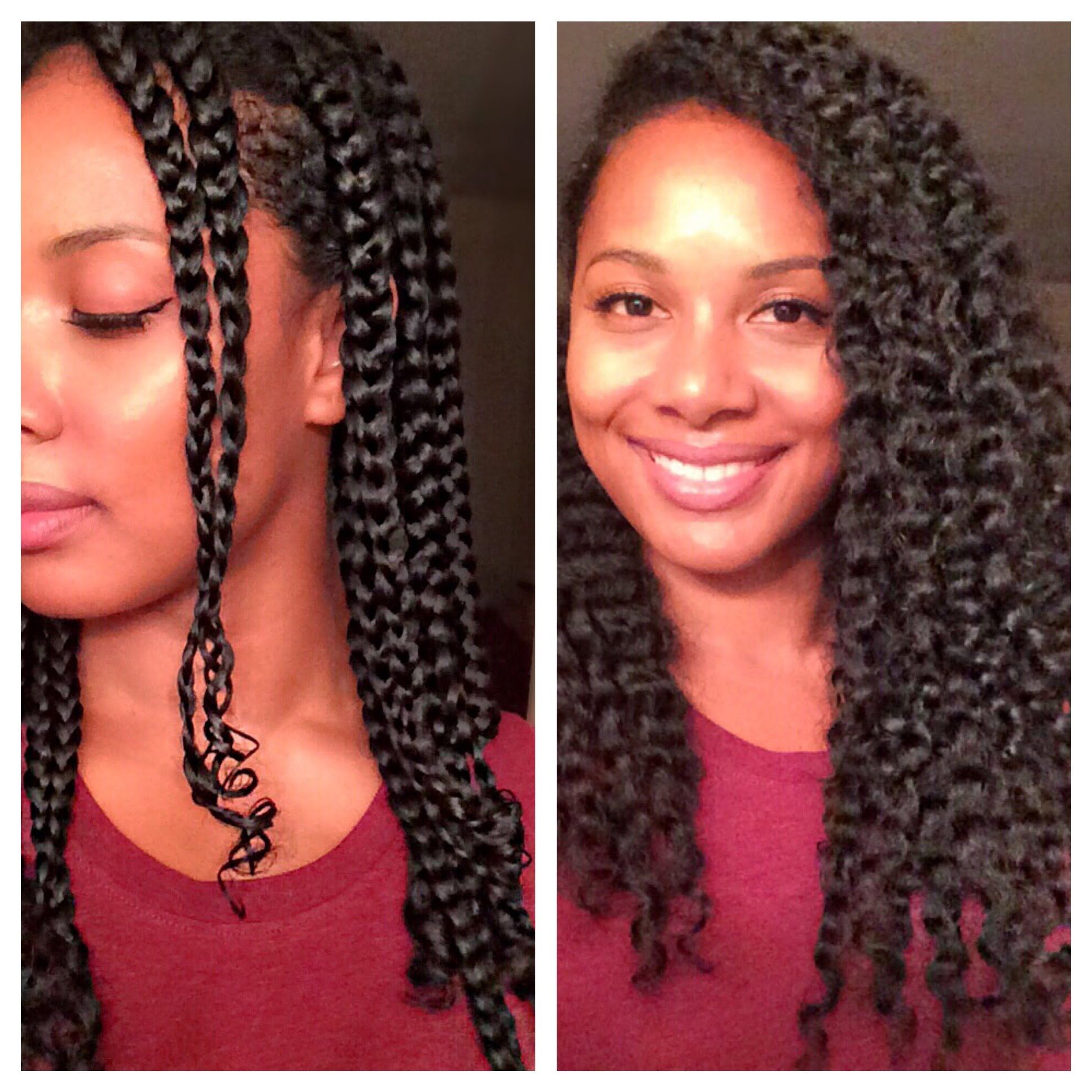
One popular method to stretch out natural hair is to do a simple braid-out. A braid-out is precisely what it sounds like. On freshly washed hair, you can section off hair in smaller sections and braid hair into plaits. Once your whole head is completed, make sure to secure hair by gathering the braids into a low ponytail. For shorter hair, you can also pin braids to the side of your head with bobby pins. Then cover hair with a satin scarf or bonnet to protect your ends and prevent dryness.
In the morning, carefully unravel your braids. You can apply a bit of oil to your hands as you do this. When your braids are all unraveled, you can take a pick and carefully fluff the roots for volume and to hide any visible scalp from sectioning your hair. From there, you can style a braid-out in numerous ways.
Create a middle part, side part, or gather your hair into a giant puff. The styles are endless. What’s even better, is that no heat was needed.
2.Twist-outs
Twist-outs are similar to braid outs, except instead of creating plaits or braids, you will instead create a 2 or 3 strand twist like here.
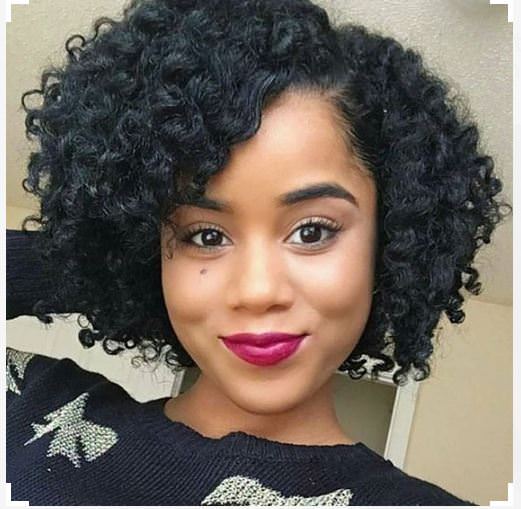
If you don’t mind a bit of shrinkage, twists-out are the way to go. Twists-outs are more versatile since you can choose to wear the twists one day. Then take out the twists the next day for another styling option.
3.Banding
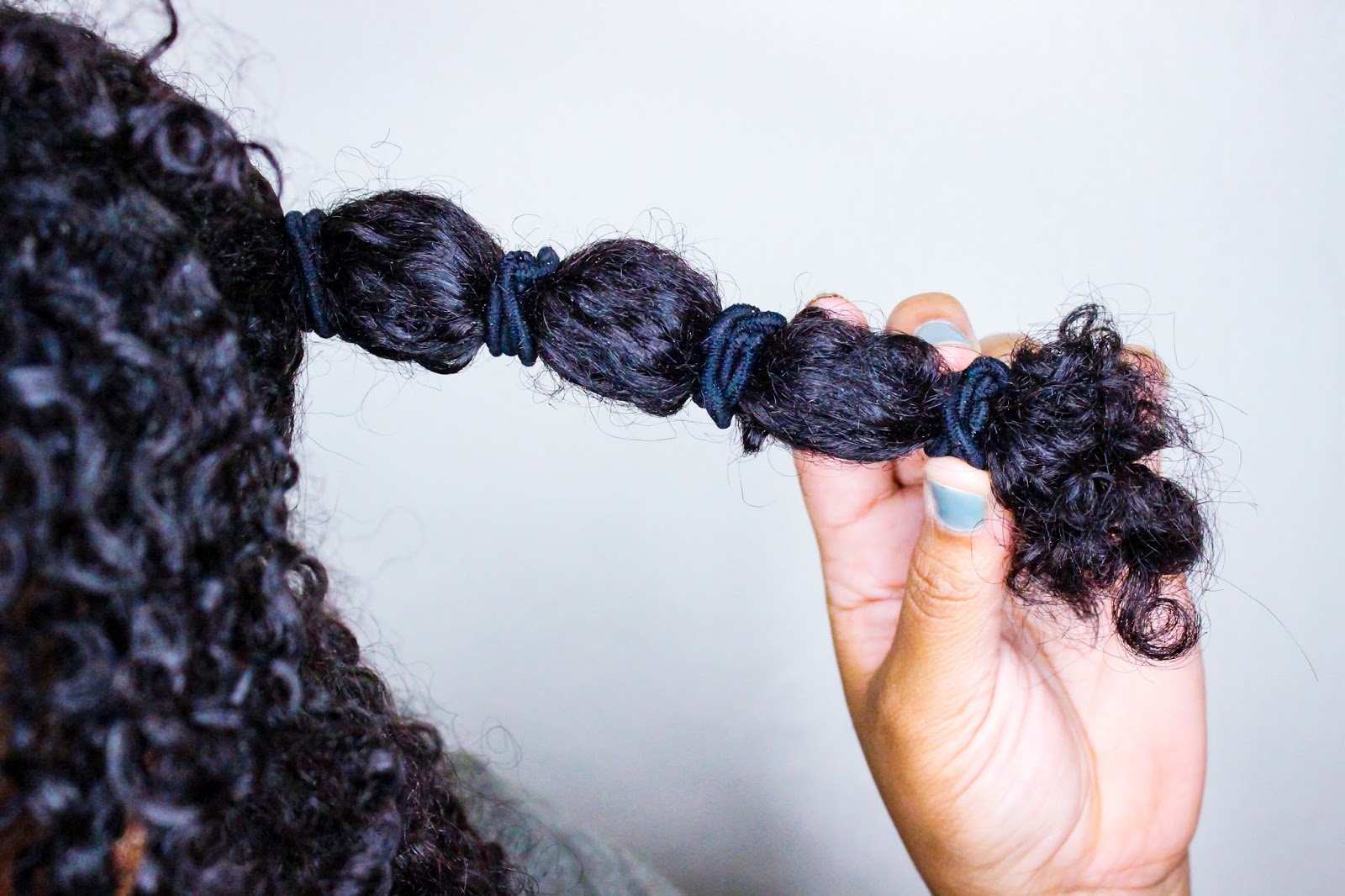
African Banding is the method of sectioning hair out and placing hair-ties down the hair’s length. To start, you will need a comb and a bunch of hair-ties or elastic, like these snag-free ones here. Part hair in equal sections. Gather one section into a hair-tie like you would a regular ponytail. Move an inch down the ponytail and add another hair-tie. Repeat this same process until you reach the end of that section.
When your hair is completely banded like so, secure hair with a bonnet or satin scarf. In the morning, carefully remove each hair-tie and fluff hair to your desired look.
There you have it, freshly stretched hair without heat.
4.African Threading natural hair
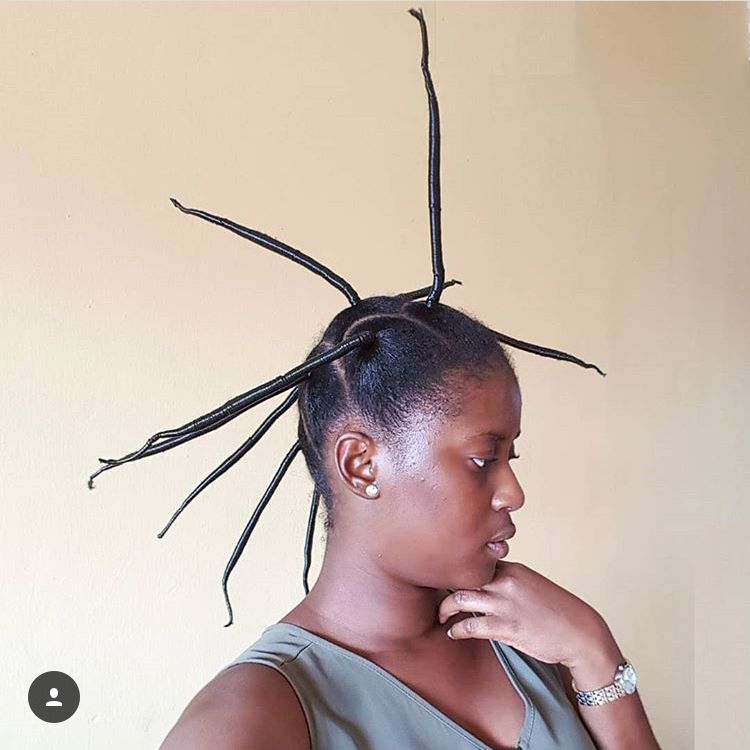
African Threading is remarkably similar to banding. What you’ll need to do to get a nice heatless stretch is wrap thread or yarn of your choosing around your hair instead of individual hair-ties. Your arms will get a workout from the wrapping, but the results are worth it.
African Threading is an excellent method also to preserve a wash and go style. Typically with a wash-and-go, as the hair dries, the length also shrinks. Using the threading method will extend a wash and go past the first day.
A quick tip: Don’t tie down the ends of the thread. This will ensure an easy unraveling process the next day.
5.Bantu knots
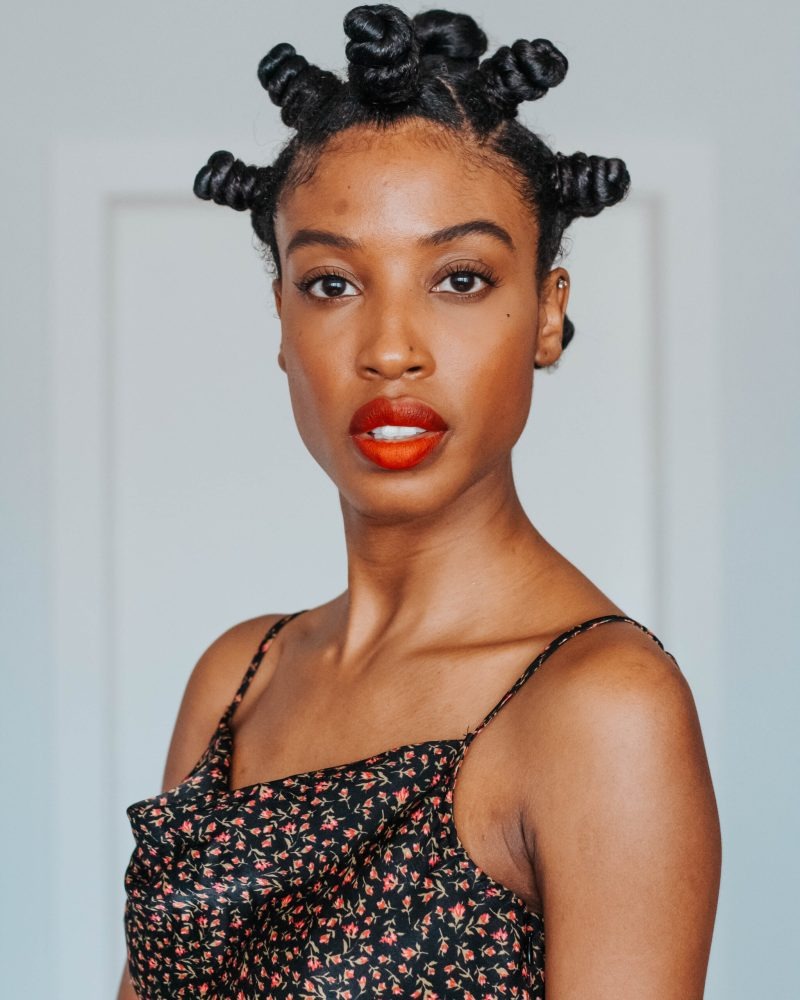
Bantu Knots, originated from the Zulu people of Africa, are twists wrapped around to mimic a stacked knot. If you are not great at braiding, this method is perfect for you to try out.
With any of these styling methods, having a good foundation for a new style starts with cleansing. You can style Bantu knots on dry hair, but if you have the time, try washing and conditioning before installing.
After shampooing and conditioning your natural hair:
- Add your favorite styling products like deep conditioner and curling cream to seal in moisture.
- Section hair in equal sections.
- Remember, the smaller the section, the tighter the curl and the bigger the section, the looser the curl will be.
Once you have your sections, you can twist the entire section and then wrap the twist on itself to create a knot, shown below.
I prefer twisting my hair using the two-strand method and then creating a Bantu knot. Find which way works best for your hair and use that. Either method you choose, you’ll enjoy the heatless stretch and beautiful body of curls.
6.Stretch plates
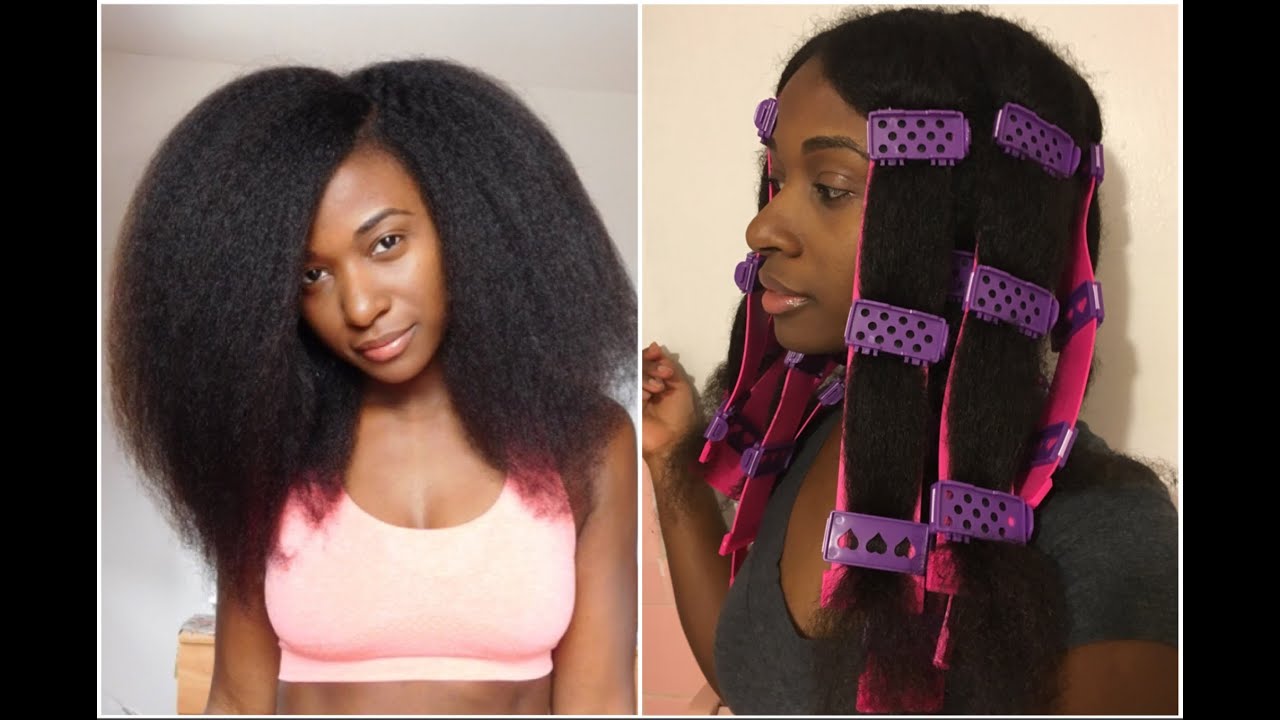
The CWK Girls SSS Rubber plates make stretching natural hair simple. It’s best to use stretch plates on freshly washed hair. Make sure your hair is not too saturated, or else your hair will take forever to dry.
Section hair in equal parts, and one section at a time, align hair on the pink plates, and then secure with the included clips. These plates are flexible enough that you can install them at night and sleep with them in. You also have the option to sit under a hooded dryer for faster drying time.
7.Heatless blow-out on natural hair
A heatless blow-out is simply combing out your natural hair. To avoid breakage, it’s best to stretch hair prior with twists or braids.
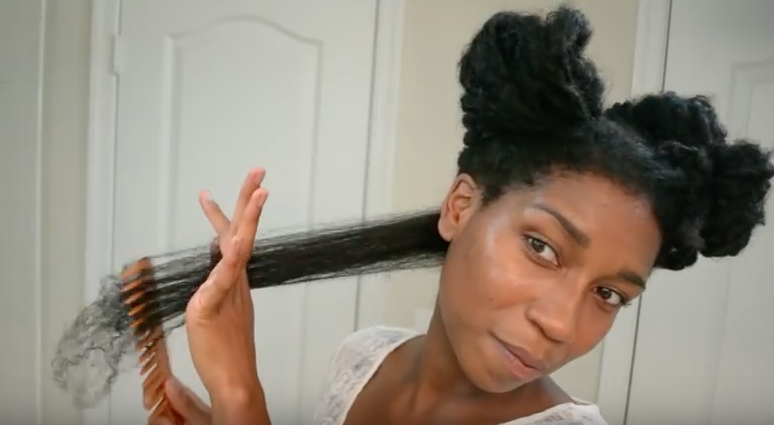
After unraveling the twists or braids, apply your favorite oil to the ends of your hair and finger detangle. Once each section is fully detangled, use a wide-tooth comb and carefully comb out hair, starting from your hair’s ends to the roots.
To avoid your hair tangling on itself, have a few butterfly clips on hand to clip away hair during this combing process. After, remove the clips and use your fingers to fluff or shape your hair lightly.
P.S. If you have ever struggled with attaining the huge afro look, the combing method is the way to do it. You can easily twist hair loosely at night to preserve the style.
Which hair stretching method has worked for you? I’d love to know. Share below!
Leave a Reply
You must be logged in to post a comment.